

The Gesteron
As an e-commerce website, it serves as a third-party platform for collectors of luxury items. Here, they are provided with buying and selling services for the items they own without concerns about authenticity, damage, or credibility issues. The transactions take place entirely visually between both the buyer and seller on the website
Explore NowI joined the project as a Product Designer at the early stages when the startup began to brainstorm ideas about the product, design, and its creation. In this article, I will discuss one case study during the final stages of the product development.
Enhancing traditional payment methods: This is aimed at improving the user experience. For me, this posed a challenge in researching and implementing user-centric design features.
With the core structure remaining an e-commerce platform, we provide a full range of features based on customer research from within the collector community. Smooth operation and maintenance are key for the majority of our customers. To substantiate this:
We have:
9k7 Visits
Website315k Followers
Instagram713.2k Likes
Tiktok4.7k Rating
Trustpilot
I have conducted interviews and supported my clients through various forms and online support channels in order to:
- Understand the user’s goals and needs.
- Identify weaknesses within the current user journey.
After collecting user feedback, I proceeded to create user personas to consolidate the identified challenges. I will summarize the fundamental pain points of the users.

I relied on an approach based on data called the severity framework to communicate my process and list usability issues in priority order to address them for improvement.
Disclaimer:To ensure customer security and privacy, I utilize illustrative images and initials of users.
Based on user feedback, my team and I empathized and unanimously proceeded to research and improve this issue.
I conducted A/B testing and utilized heatmaps to experiment with the user testing process:
- ~ 20% of users use ShopPay.
- ~ 27% of users use GooglePay.
- > 35% of users use PayPal.
The majority of users will use third-party services where they already have payment information available.
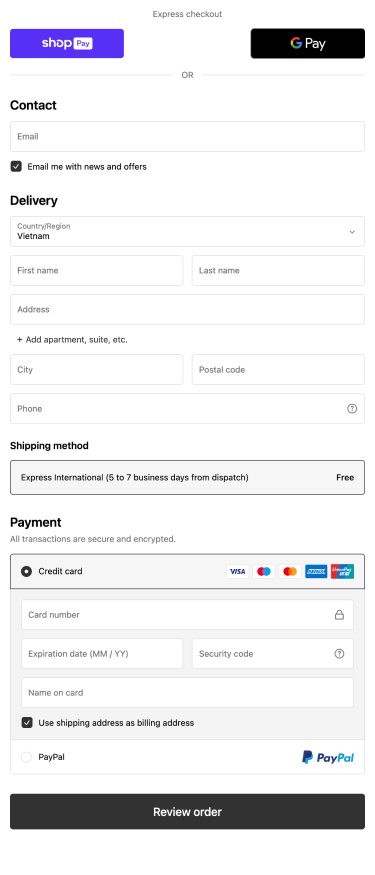
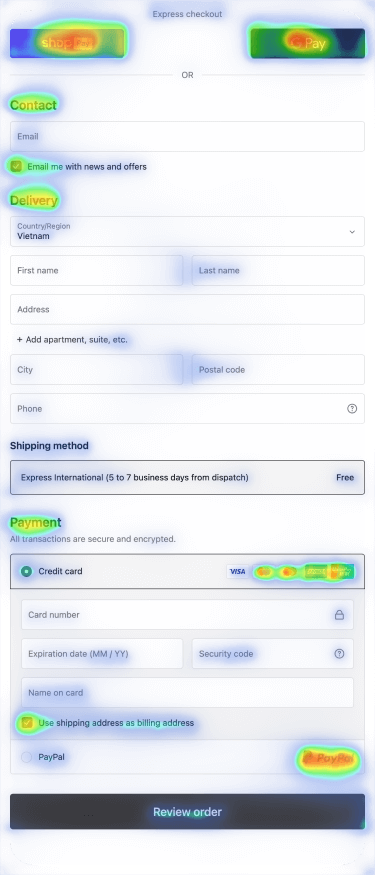
“So what does this mean for our target customers? Do they already have such products available? Are they able to easily use the service?”
After a period of brainstorming, we conducted market research on competitors. We referenced various competitors, but here are two examples that I consider most representative for this e-commerce industry sector.
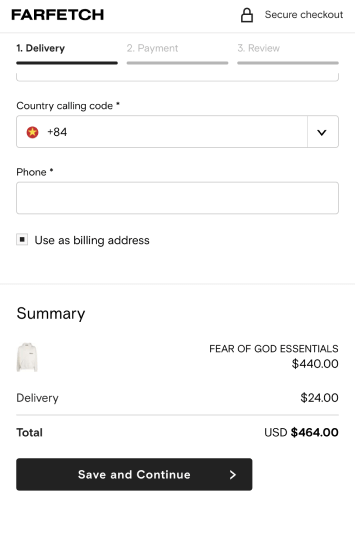
Farfetch: Requires users to confirm information and the recipient’s address during checkout, even if they have logged in and confirmed the billing address previously.
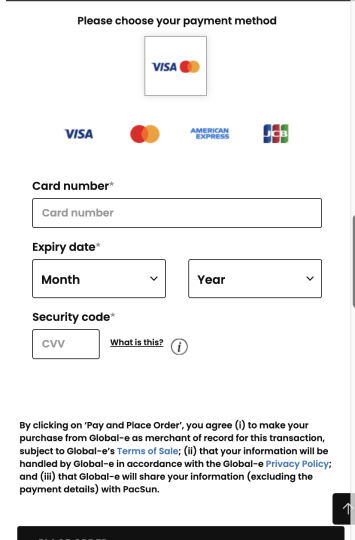
Pacsun: Does not provide e-payment services and remains loyal to the charge by card system.
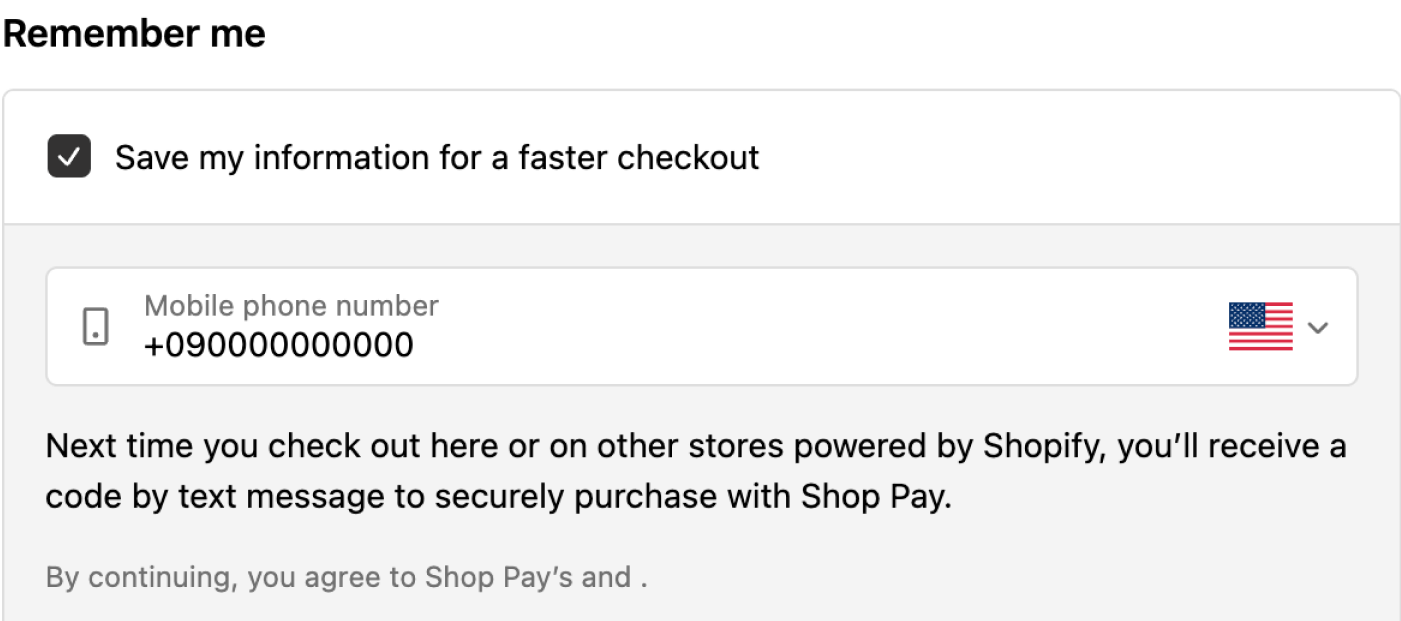
Based on research and analysis, we have decided on a different approach: integrating phone tracing into e-commerce. We are not far from a scenario where current registration information is synchronized solely with the phone number. With just the phone number, all information will be confirmed instantly at the store with a high level of accuracy.
When we started implementing it, we all wondered how it would work out. Typically, customer information lies within the UI of the store system to confirm details from the buyer. Here, we will let users confirm their own information!
Right after they opt to remember the information and enter the phone number that matches the system from before, all details will synchronize with all payment fields seamlessly without hassle in subsequent transactions.

Customer feedback has been very positive. This marks our first step on the Trustpilot rating system. Particularly noteworthy is the feedback from older customers who share, “Now we won’t need assistance to check and edit troublesome payment details anymore”
- User testing doesn’t end post-development.
Design is an ongoing iterative process aimed at continually improving the user experience. Always seek ways to gather and listen to user feedback. - Regarding pre-technical knowledge.
This helps minimize any rework later because foreknowledge of technical limitations informs your design strategy